Changing careers is one of the most stressful professional transitions you can make. Not because you lack the skills — but because your resume doesn't know how to talk about them yet.
The Core Problem
When you switch industries, your resume speaks the wrong language. You have 8 years of teaching experience, but the corporate L&D job posting asks for "program management," "stakeholder alignment," and "learning outcomes measurement." You've done all of those things — you just called them something different.
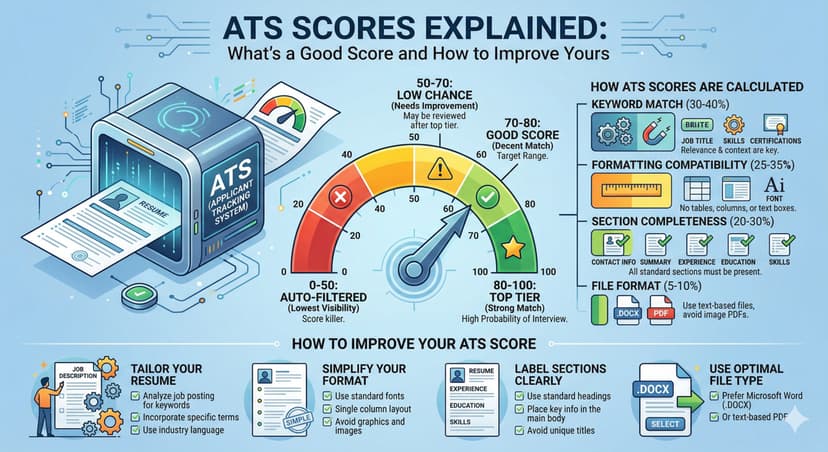
ATS systems can't read between the lines. They match keywords literally. If the job says "project management" and your resume says "coordinated classroom activities," the system sees zero overlap.
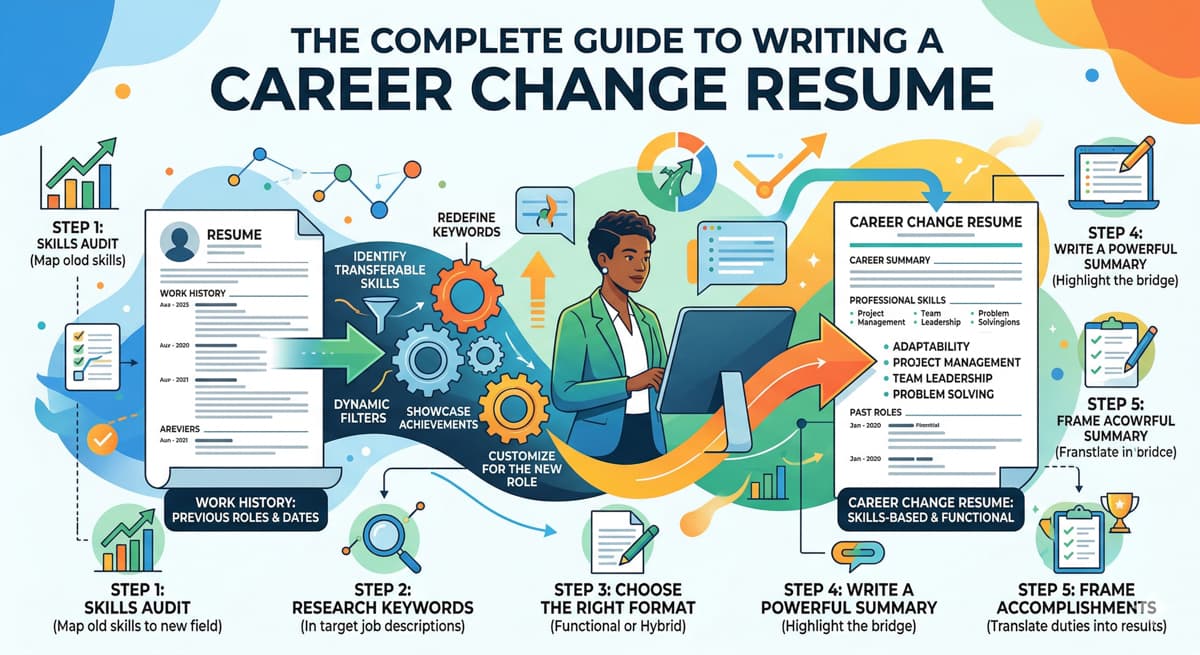
Step 1: Identify Your Transferable Skills
Before you touch your resume, make a list of every skill from your current career that applies to your target role. Don't translate yet — just list them.
Common transfers people miss: - Teaching → Training, facilitation, curriculum design, program management - Retail → Customer success, inventory management, P&L responsibility, team leadership - Military → Operations management, logistics, leadership under pressure, strategic planning - Healthcare → Process improvement, compliance, stakeholder communication, crisis management
Step 2: Learn the Target Language
Read 10-15 job postings for your target role. Write down every keyword, skill, and qualification that appears repeatedly. This is the vocabulary your resume needs to use.
Step 3: Rewrite, Don't Just Edit
A career change resume isn't an edited version of your old resume. It's a new document that tells the story of your transferable skills using the language of your target industry.
Before: "Managed classroom of 30 students, developed lesson plans, and assessed student progress"
After: "Designed and delivered training programs for 30+ participants, developed structured curricula aligned to learning objectives, and implemented assessment frameworks to measure program effectiveness"
Same experience. Different language. Dramatically different ATS score.
Step 4: Use Career Pivot Mode
Swiffit's Career Pivot mode automates this entire process. Upload your resume, paste the target job description, and the AI identifies your transferable skills and rewrites them in your target industry's language — without fabricating anything.
The key is honesty: the best career change resumes don't hide where you've been. They reframe it to show where you're going.