The average job search takes 3-6 months and involves 100-200 applications. Most people start organized. By application 15, they're guessing which companies they've already applied to.
The Spreadsheet Problem
Everybody starts with a spreadsheet. Company name, role, date applied, status. It works for a week.
Then you forget to update it. You apply to three jobs in one sitting and tell yourself you'll log them later. You don't. Two weeks pass and you get an email from "Acme Corp" — did you apply there? What role was it? What resume did you send?
Spreadsheets fail because they require discipline at the moment you have the least of it — right after submitting an application, when you're already moving to the next one.
What You Actually Need
An effective job tracking system needs three things:
- Auto-population — Applications should be logged without extra effort
- Status visibility — You need to see your entire pipeline at a glance
- Follow-up triggers — Something has to remind you when it's time to check in
The Follow-Up Gap
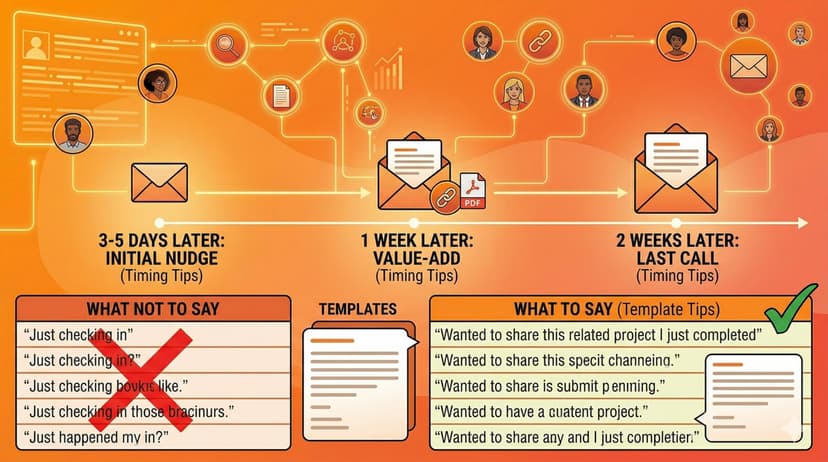
Here's a stat that should change your behavior: 80% of job offers require at least 5 follow-up touchpoints. But 44% of applicants give up after one follow-up, and 92% give up after four.
The people who get hired aren't necessarily more qualified. They're more persistent — and more organized.
A follow-up sent 7-10 days after applying converts at 3x the rate of no follow-up. A second follow-up 14 days later adds another 1.5x. But you can't follow up on applications you've forgotten about.
The Pipeline Mindset
Think of your job search as a sales pipeline. You have leads at different stages:
- Saved — Jobs you're interested in but haven't applied to
- Applied — Submitted and waiting
- Interview — Active conversations
- Offer — Decision time
- Closed — Resolved (hired, rejected, withdrawn)
When you can see all five stages at once, you make better decisions. You notice when your "Applied" column is growing but "Interview" is empty. You realize you haven't followed up on any applications this week. You spot that your best scores came from a specific type of role.
Building the Habit
The key to maintaining any tracking system is removing friction at the point of entry. If logging an application requires opening a separate tool, finding the right spreadsheet, and filling in 8 fields — you won't do it.
The ideal flow: enhance your resume → the application is automatically logged → a follow-up reminder is set → you get notified when it's time to act.
That's exactly what Swiffit's Application Tracker does. Every time you enhance a resume for a job, it auto-creates an application entry with the company, role, and your ATS score. Set a 7-day follow-up with one click. Your dashboard tells you when something needs attention.
The best tracking system is the one you actually use.